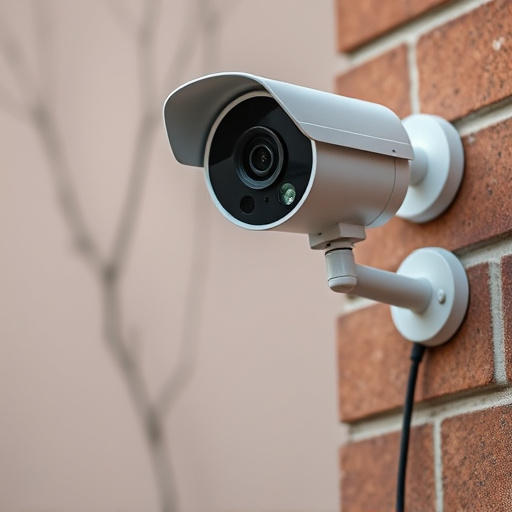
Theft is a significant challenge for businesses, especially in retail and e-commerce. Traditional security measures are often inadequate. Battery-powered fake camera setups (decoy cameras) offer an effective solution with their realistic design, easy installation, and continuous operation without complex wiring or maintenance. These sophisticated deterrents mimic real surveillance equipment, featuring LED indicators, motion sensors, and rechargeable batteries for discreet placement. By strategically positioning them in high-theft areas both indoors and outdoors (with some models featuring night vision), businesses can blend the decoys seamlessly into their environment, drawing thieves' attention without compromising security. Regular maintenance, dynamic placement, and combining decoys with real cameras are best practices for optimal protection.
In a world where theft remains a persistent challenge, innovative solutions are paramount. Among these, battery-powered decoy cameras emerge as potent deterrents. This article explores how these fake camera setups effectively mitigate theft risks. We delve into the science behind their success, providing a detailed analysis of the Battery-Powered Fake Camera Setup. By understanding why and how these decoys work, businesses can implement them strategically for maximum deterrent effect.
- Understanding the Problem: Why Are Decoy Cameras Effective?
- Battery-Powered Fake Camera Setup: A Detailed Look
- Implementation and Best Practices for Maximum Deterrence
Understanding the Problem: Why Are Decoy Cameras Effective?
The problem of theft is a significant challenge for businesses, especially those in retail and e-commerce. Traditional security measures often fall short, leaving valuable merchandise vulnerable to opportunistic criminals. This is where battery-powered fake camera setups, or decoy cameras, prove invaluable. Their effectiveness stems from several key factors.
Firstly, these decoy cameras mimic real surveillance equipment, providing a psychological deterrent to potential thieves. The mere presence of a camera can discourage criminal activity as it creates an atmosphere of increased risk and scrutiny. Secondly, they are designed to be easily installed and hidden, making them versatile for various environments without disrupting normal operations. Additionally, battery power ensures they can operate discreetly and continuously, offering round-the-clock protection without the need for complex wiring or constant maintenance.
Battery-Powered Fake Camera Setup: A Detailed Look
The Battery-Powered Fake Camera Setup is a sophisticated deterrent for theft, mimicking real surveillance equipment. These decoy cameras are designed to look authentic, complete with LED indicators and motion sensors, triggered by any movement in their range. The power source is often a rechargeable battery, allowing for discreet placement and easy maintenance—a far cry from the bulky, tethered systems of old. This portability enables businesses to strategically position them in high-theft areas like retail stores, warehouses, or even residential properties.
The setup’s effectiveness lies not only in its visual similarity to real cameras but also in its ability to blend into the environment. From weatherproof designs that can withstand outdoor elements to indoor models with night vision capabilities, these fake cameras offer a comprehensive solution. Their low-profile nature means they can be placed high or low, drawing potential thieves’ attention without revealing valuable goods or sensitive information.
Implementation and Best Practices for Maximum Deterrence
Implementing a battery-powered fake camera setup is a strategic move to deter potential thieves, and its success lies in careful execution. Placement is key; strategically position the decoy cameras in areas most vulnerable to theft or where valuable assets are located. These could be storefronts, warehouses, or even residential properties. Ensure they are well-visible yet realistic in their appearance to avoid easy detection by would-be intruders.
Best practices include regular maintenance and a certain level of randomness. Keep the camera locations dynamic, moving them around periodically to prevent thieves from growing accustomed to their position. Additionally, consider combining these decoys with real security cameras to create a layered defense. This blend of technology sends a powerful message that any attempt at theft will be met with stringent surveillance and potential consequences.
Decoy cameras, particularly those that are battery-powered fake camera setups, have proven to be an effective deterrent against theft. By simulating real surveillance equipment, these decoys send a clear message to potential criminals, increasing the security of businesses and homes alike. As discussed in this article, understanding the problem and implementing best practices for placement and maintenance can significantly enhance their deterrence value, making them a valuable addition to any comprehensive security strategy.