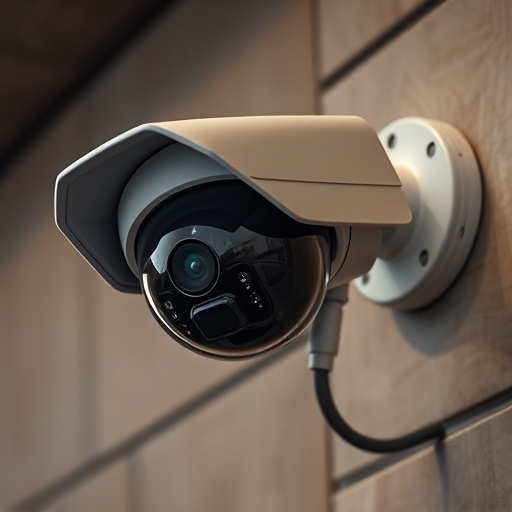
The Battery Powered Fake Camera Setup provides a discreet and flexible security solution with high-definition imaging, waterproof design, and motion detection. Easy installation involves blending simulated wiring with existing systems, allowing placement anywhere without access to electricity. While offering cost savings and wireless convenience, it requires regular battery maintenance, demands realistic appearance, and may struggle in extreme weather conditions.
“Enhance your home or business security with a cost-effective solution—the battery-powered fake security camera. This innovative system offers an affordable alternative to traditional surveillance, without the hassle of complex wiring. In this article, we’ll guide you through the process of understanding and implementing these simulated setups. From decoding the components to exploring their numerous advantages, discover how easy it is to boost security with a realistic, battery-powered fake camera setup.”
- Understanding Battery-Powered Fake Camera Setups
- Components and Assembly of the Simulated System
- Benefits and Considerations for Implementation
Understanding Battery-Powered Fake Camera Setups
Battery-powered fake security camera setups have gained popularity as a cost-effective and easy-to-install alternative to traditional wired cameras. These setups typically consist of a waterproof, weatherproof casing that houses a surveillance camera, along with an internal battery and solar panel for power generation. The simulated wiring on these devices is often a crucial feature, designed to blend seamlessly with real security systems, deterring potential intruders from realizing the absence of actual wiring.
Understanding how these battery-powered cameras operate is essential for effective deployment. Many models utilize motion detection technology, triggering the camera to record and send alerts when movement is sensed within a certain range. The internal battery allows for uninterrupted operation without the need for frequent recharging, while solar panels harness renewable energy from sunlight, ensuring consistent power supply. This combination of autonomy and realism makes these fake security camera setups an attractive option for homeowners, businesses, and individuals seeking enhanced security without the complexities of traditional wiring.
Components and Assembly of the Simulated System
The battery-powered fake security camera setup is a sophisticated and innovative solution for those seeking to enhance their home or business security while maintaining a discreet appearance. This simulated system comprises several key components, each playing a crucial role in its functionality. At the heart of the setup is the fake camera itself, meticulously designed to mimic real security cameras with realistic features and high-definition imaging capabilities. The camera is typically housed in a weatherproof casing to withstand various environmental conditions, ensuring longevity and reliability.
Assembly involves seamlessly integrating the fake camera with a simulated wiring system. This includes connecting the camera to a power source via a concealed cable, mimicking the appearance of traditional security wiring. The battery-powered aspect adds flexibility, allowing for easy installation in areas without access to main electrical supplies. Additional components may include motion sensors and night vision capabilities, enhancing the overall realism and effectiveness of the setup as a deterrent against potential intruders.
Benefits and Considerations for Implementation
Benefits and Considerations for Implementation
One of the primary advantages of a battery-powered fake security camera setup is its flexibility and convenience. These simulated cameras require no complex wiring, making them easy to install almost anywhere—indoors or out—without the hassle of running cables. This simplicity also translates to cost savings, as there’s less labor involved in installation compared to traditional security systems. Additionally, battery-powered setups offer peace of mind with their wireless connectivity, ensuring a clear line of sight without physical obstructions that could block the camera’s view.
When considering a battery-powered fake camera setup, it’s crucial to balance these benefits against potential drawbacks. While convenient and unobtrusive, these cameras may require more frequent maintenance as batteries need regular replacement or charging. They can also be less robust than hardwired systems, especially in areas prone to extreme weather conditions. Moreover, the effectiveness of deterring crimes depends on the realistic appearance and proper placement of the fake camera, necessitating careful selection and strategic positioning to maximize its deterrent value.
Battery-powered fake security camera setups offer a convenient and affordable solution for deterring crime, with their unassuming appearance and simple installation. By simulating real wiring, these devices blend seamlessly into any environment, providing a powerful psychological barrier without the complexities of traditional surveillance systems. When considering implementation, it’s crucial to weigh the benefits against potential drawbacks, such as limited range and weather exposure, ensuring the chosen setup aligns with your security needs and budget.